
Aurangzeb says Pakistan will issue more panda bonds and is studying Japanese samurai bonds
In one minute
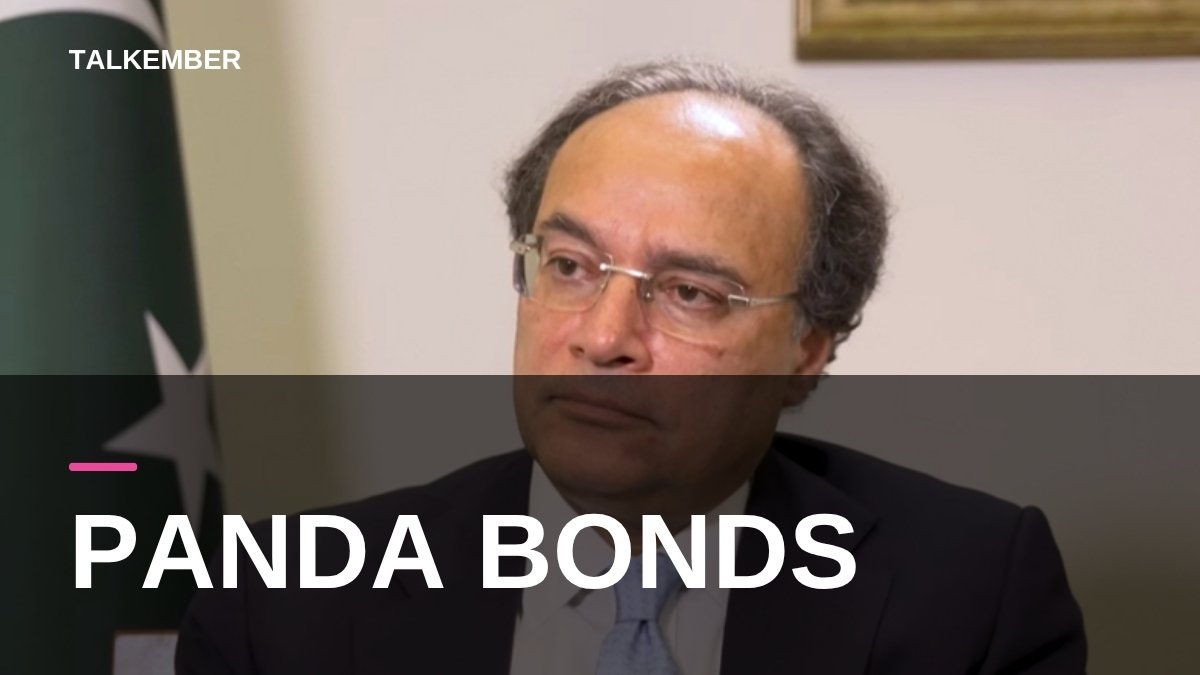
Finance Minister Muhammad Aurangzeb told Nikkei Asia that Pakistan wants to be a repeat issuer of yuan-denominated panda bonds and may look at yen samurai bonds, while not increasing the overall size of its foreign debt. He spoke on the sidelines of the IMF-World Bank annual meetings in Bangkok.
This post is general information, not professional financial advice. Please consult a qualified professional before making decisions.
Key takeaways
- Finance Minister Muhammad Aurangzeb said Pakistan's first panda bond will not be a "one-time issuance" and the country wants to be a repeat issuer in China's bond market.
- He said samurai bonds (yen bonds sold in Japan) "would make sense" but need more homework.
- Pakistan does not want to increase the total size of its external debt, he said — the aim is cheaper, more varied funding.
- He spoke to Nikkei Asia on the sidelines of the IMF-World Bank annual meetings in Bangkok, as reported by The Nation.
- In Bangkok he also took over as chair of the Borrowers' Platform governing council, Business Recorder reported.
This is news reporting, not financial or investment advice.
What Aurangzeb said
In the interview, Aurangzeb described China as the world's "second largest and deepest capital market" and said Pakistan intends to keep going back to it. He added that Japan's samurai bond market is "something which we should think through".
Radio Pakistan reported that at a separate Bangkok panel he said renewed market access supports a plan to improve the external debt profile without increasing its overall size, along with steps to lower financing costs, extend maturities and reduce rollover risk.
Pakistan's panda bond so far
| Item | Detail |
|---|---|
| First issue | Mid-May 2026 |
| Size | 1.75 billion yuan (about $261 million) |
| Programme | Part of a 7.2 billion yuan programme |
| Guarantees | Partial guarantees from the Asian Development Bank and the Asian Infrastructure Investment Bank |
Source: The Nation, citing Nikkei Asia. Business Recorder separately described it as Pakistan's inaugural green panda bond.
What is a panda or samurai bond?
- A panda bond is a bond in Chinese yuan sold by a foreign borrower inside China's domestic market.
- A samurai bond is a bond in Japanese yen sold by a foreign borrower in Japan.
Emerging economies such as Pakistan and Indonesia have used panda bonds to widen their investor base and diversify funding, the report said. According to S&P Global figures quoted in it, panda bond issuance reached about 160 billion yuan in the first half of 2026, up 68% from a year earlier.
Other Bangkok meetings
- IMF: Aurangzeb met IMF First Deputy Managing Director Dan Katz; both sides welcomed the recent staff-level agreement and noted better fiscal, reserve and inflation numbers, Business Recorder said. They also discussed how the Middle East conflict is affecting energy prices.
- Borrowers' Platform: Pakistan took the chair of the governing council from Egypt. Aurangzeb said the platform should focus on learning and technical cooperation, not act as a collective bargaining group.
- Tariffs and investment: He told Nikkei Asia there would be "no compromise" on the National Tariff Policy, which lowers import tariffs in stages, and that Pakistan welcomes Chinese carmakers.
What to watch
- Timing and size of a second panda bond under the 7.2 billion yuan programme.
- Whether the finance ministry formally starts work on a samurai bond.
- How these plans fit with the IMF programme reviews.
Sources
- The Nation (via Nikkei Asia interview) — Govt could issue more Chinese yuan-based bonds: Aurangzeb
- Business Recorder — World Bank Group, IMF meetings in Bangkok: Aurangzeb assumes chairmanship of Borrowers Platform
- Radio Pakistan — Aurangzeb stresses sustained reforms to translate stability into growth
Spotted a mistake? Tell us — we fix errors and log them on our corrections page.
#pakistan-economy#panda-bond#samurai-bond#muhammad-aurangzeb#imf-world-bank#external-debt#bangkok
Comments (0)